
Optical illusion art generators
Optical art works with how the visual system reads patterns. High-contrast stripes, rings and grids make the visual system see motion, depth or flicker that isn't there — the effect Bridget Riley and Victor Vasarely made famous in the op art movement of the 1960s.
Op Art Generator builds those classic patterns from stripes, rings, checkerboards and waves, and Hypnosis Spiral Maker spins spirals, tunnels and spiral eyes in a seamless loop. In Moire Patterns, two line or circle gratings overlap, so that a tiny shift in angle or spacing produces large, slowly drifting interference bands. Wave Interference shows the real physics behind such patterns: circular waves from several sources adding up where crests meet and canceling where a crest meets a trough. Halftone & Dither turns gradients into dot, line and ring screens like those in printed newspapers and pop art, and Psychedelic Flow animates swirling, color-cycling shader patterns on your graphics card.
Every generator is parametric: move a slider and the image redraws at once, and the share link stores the exact settings. Vector generators export SVG, and the animated ones can be paused on a frame you like before exporting a PNG.
6 Optical Art tools

Op Art Generator
High-contrast optical illusion patterns — stripes, waves, checkerboards, and vibrating edges.
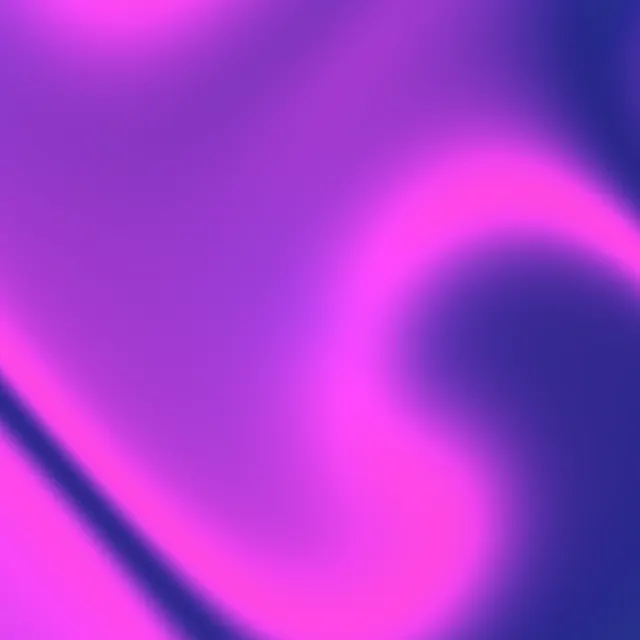
Psychedelic Flow
Swirling, morphing color patterns from animated GPU shaders.
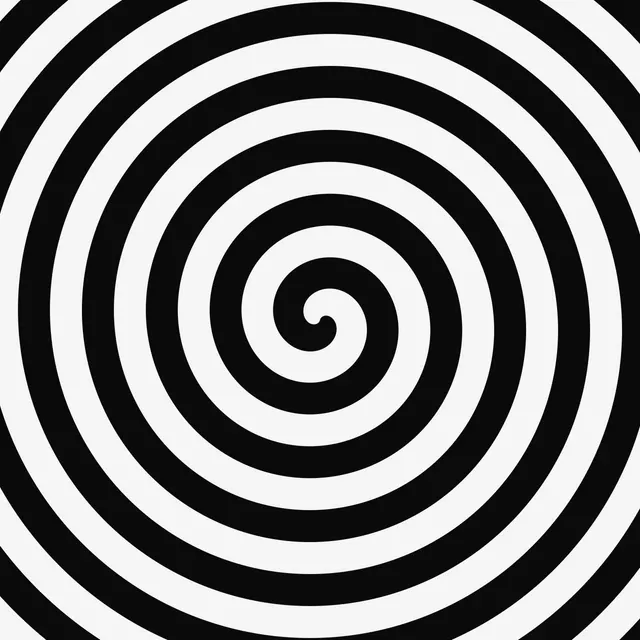
Hypnosis Spiral Maker
Spin classic, tunnel, checker and rope spirals or spiral eyes, and export seamless GIFs and overlays.
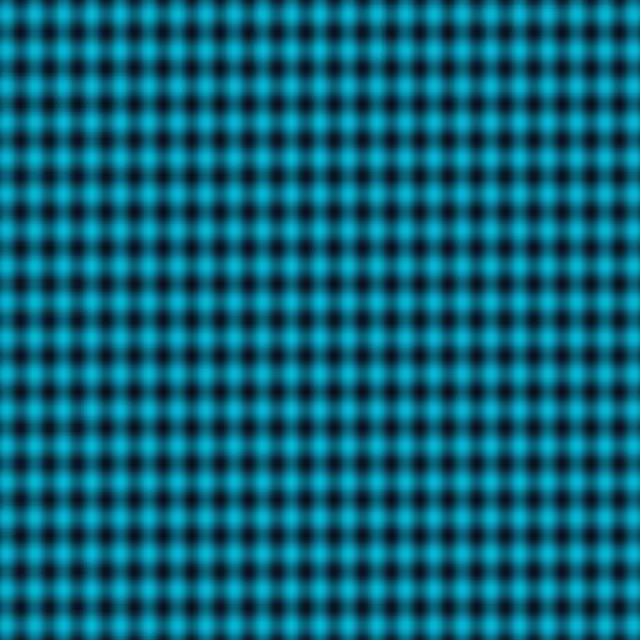
Moire Patterns
Interference patterns from overlaid grids.
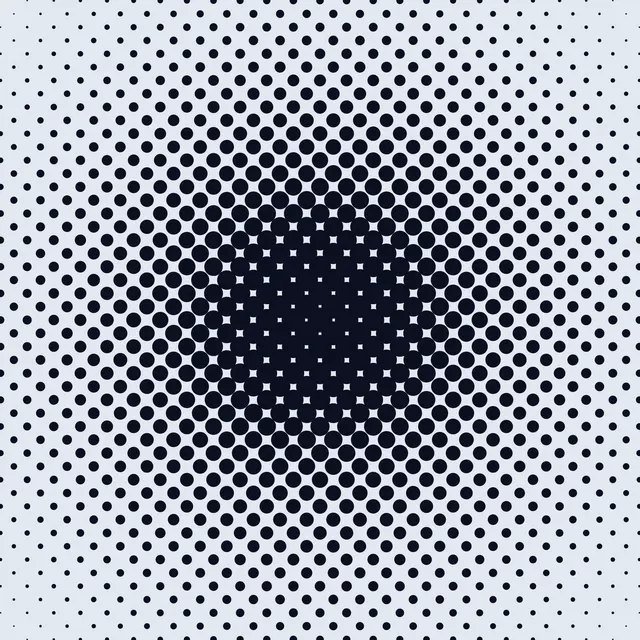
Halftone & Dither
Halftone dot and line screens with a smooth tonal gradient.
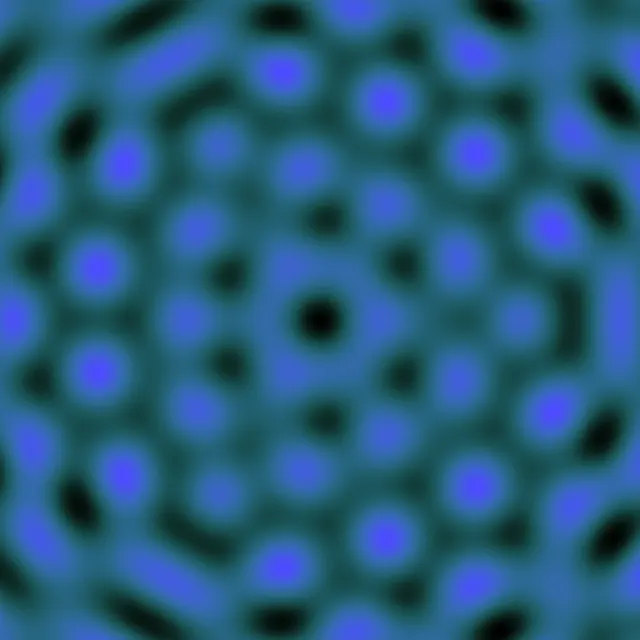
Wave Interference
Rippling interference patterns from multiple animated wave sources.
Frequently asked questions
Why do op art patterns seem to move?
Fine, high-contrast patterns overload the edge-detecting cells of the visual system, and the eye's constant tiny movements make the edges shimmer. The brain reads that shimmer as motion, flicker or bulging depth.
What causes a moiré pattern?
Moiré appears when two regular patterns overlap at a slightly different angle or spacing. Their lines coincide in some places and fall between each other in others, producing broad bands much wider than either pattern's own lines.
Can I use the patterns in print?
Yes. Patterns you make are yours to use, including commercially. Export SVG where it's offered to print at any size, or a high-resolution PNG.