
Benefits
GeoPatternLab's tools have no accounts, feeds, scores or notifications. Each tool does one thing, and a simulation runs until you press Pause. Visitors use them in five ways, listed below with the tools that suit each.
Uses and tools
Short breaks
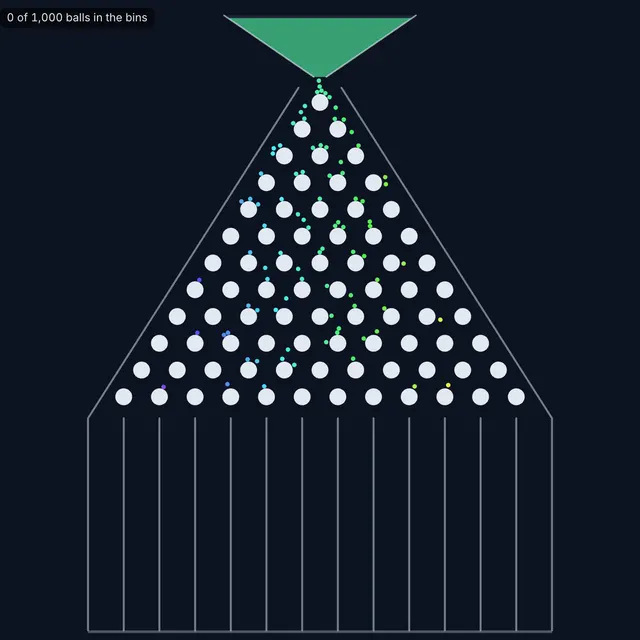
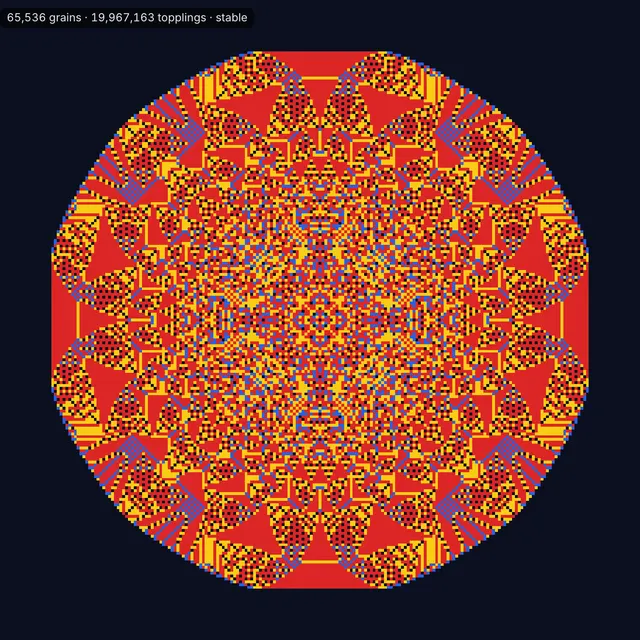
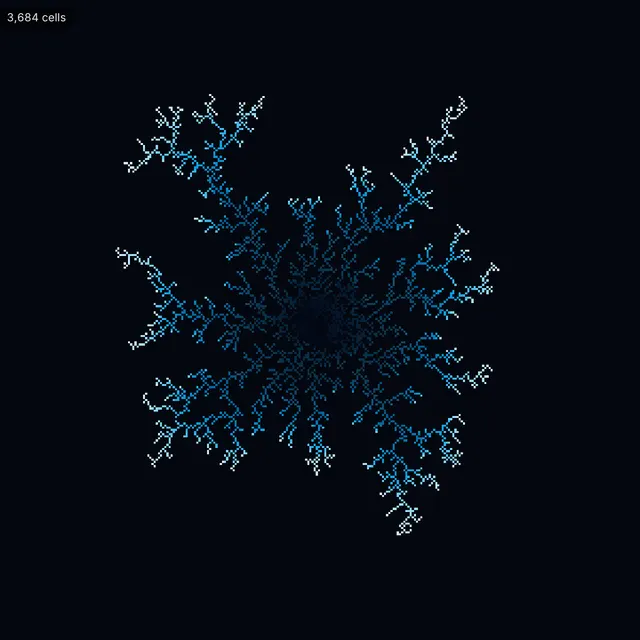
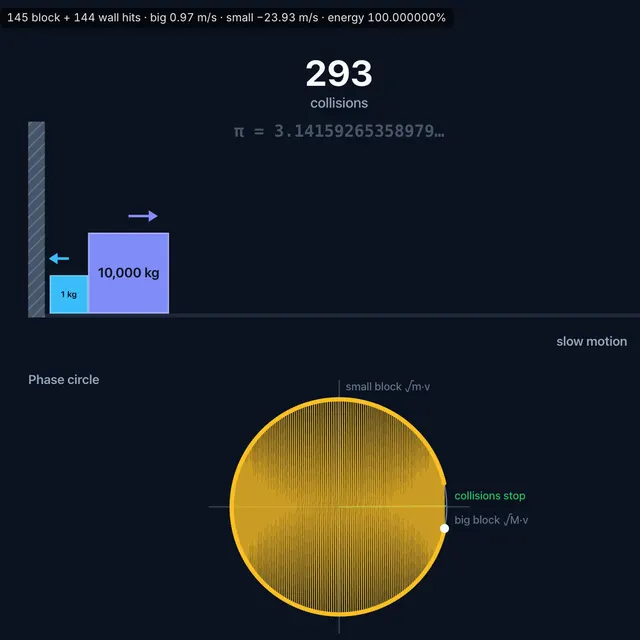
A break of a few minutes with a model that runs to an end. Galton Board stops when the last ball lands, Sandpile Avalanches settles once every cell holds fewer than four grains, Crystal & Lightning Growth grows until it reaches the edge of the grid, and Colliding Blocks & Pi finishes when no more collisions are possible. There is nothing to win and nothing to keep track of.
Late at night
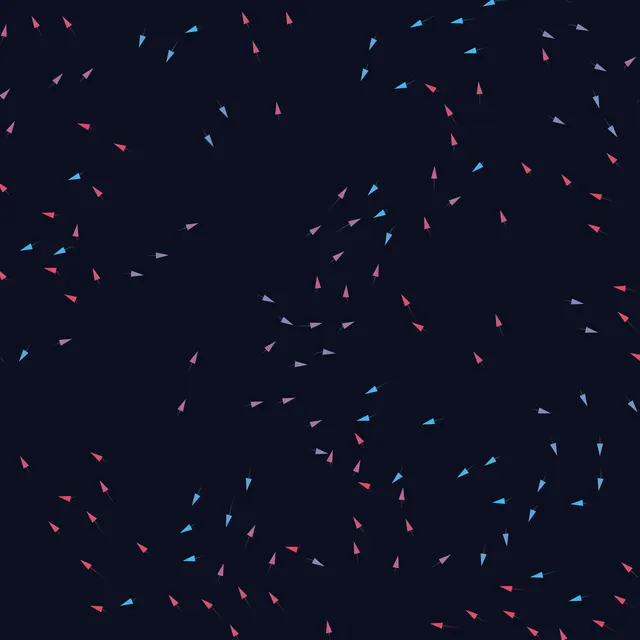
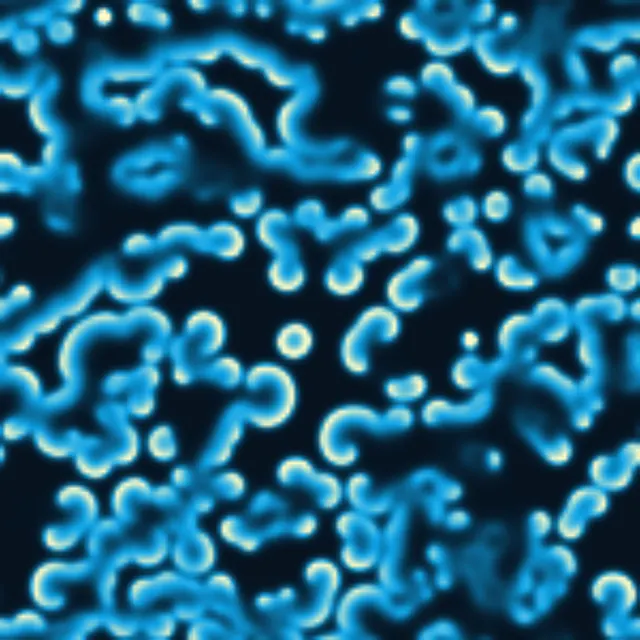
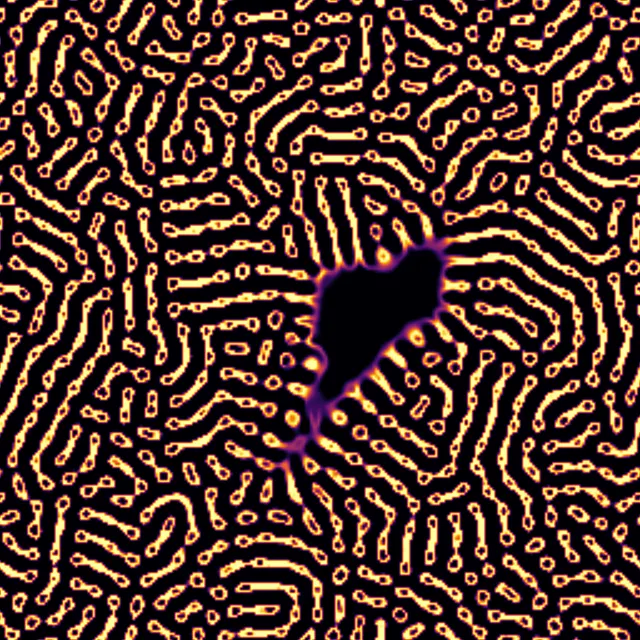
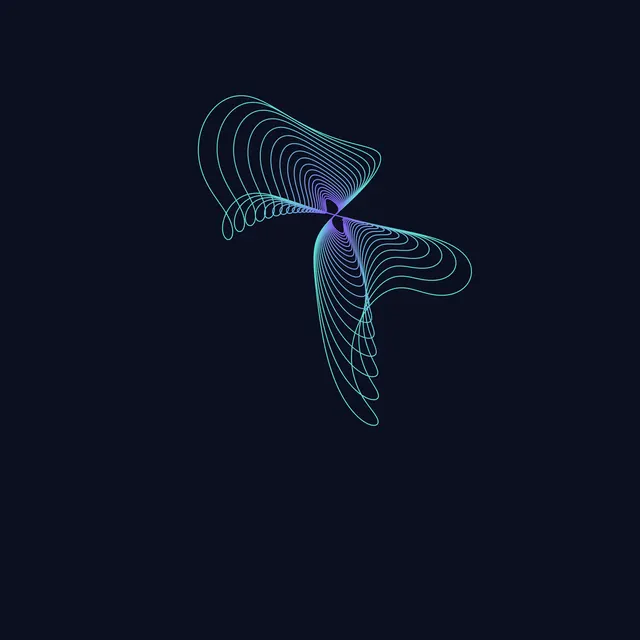
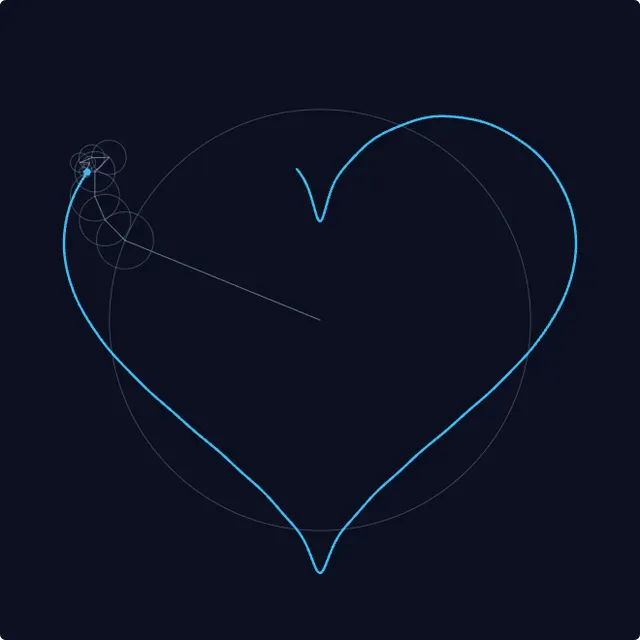
Some visitors arrive in the middle of the night. Sleep guidance does not recommend screens for this: the American Academy of Sleep Medicine advises getting out of bed after about 20 minutes awake and doing a quiet activity in low light, away from electronics, and the NHS advises against using devices right before bed because their light makes people more alert. For anyone awake and on a screen anyway, the slowest tools are a low-stimulation choice: Flocking (Boids), Reaction-Diffusion, Lenia, Slime Mold, Pendulum Swing and Fourier Epicycles change gradually on dark backgrounds, make no sound and have no goal. Insomnia that lasts is a reason to see a doctor; the American College of Physicians recommends cognitive behavioral therapy for insomnia (CBT-I) as the first treatment.

Repetitive drawing
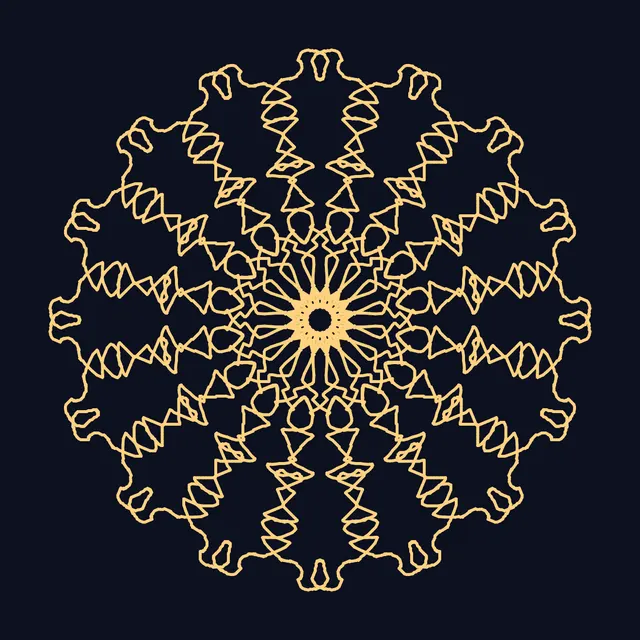
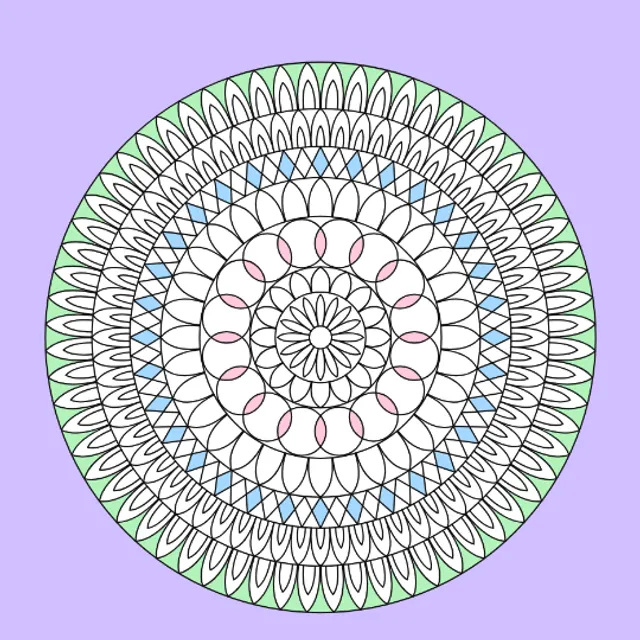
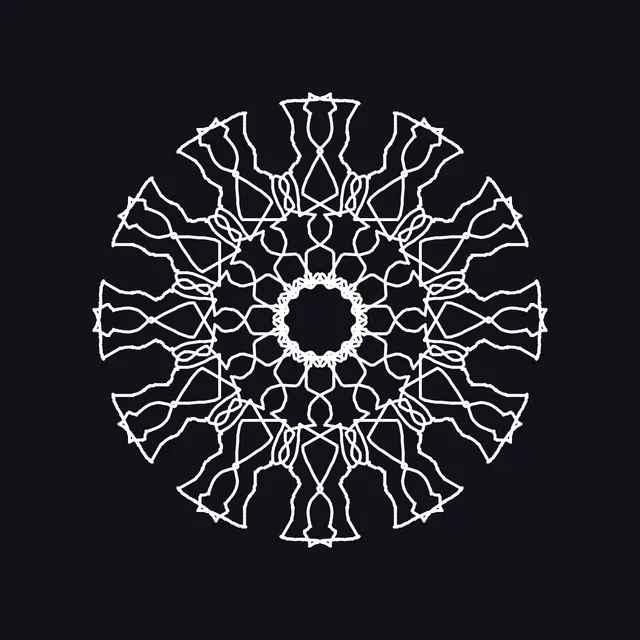
Structured, repetitive drawing keeps the hands and eyes on one task. In a 2005 study by Nancy Curry and Tim Kasser, students who colored a mandala or a plaid pattern for 20 minutes after an anxiety-raising writing task reported a larger drop in anxiety than students who colored on blank paper. Mandala Maker, Mandala Coloring Page, Zentangle Patterns and Kaleidoscope repeat each stroke by rule, so no drawing skill is needed.
Learning by watching
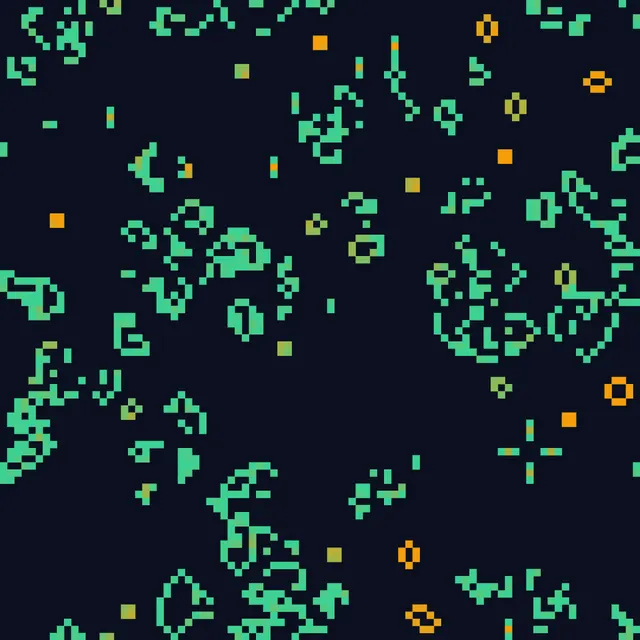
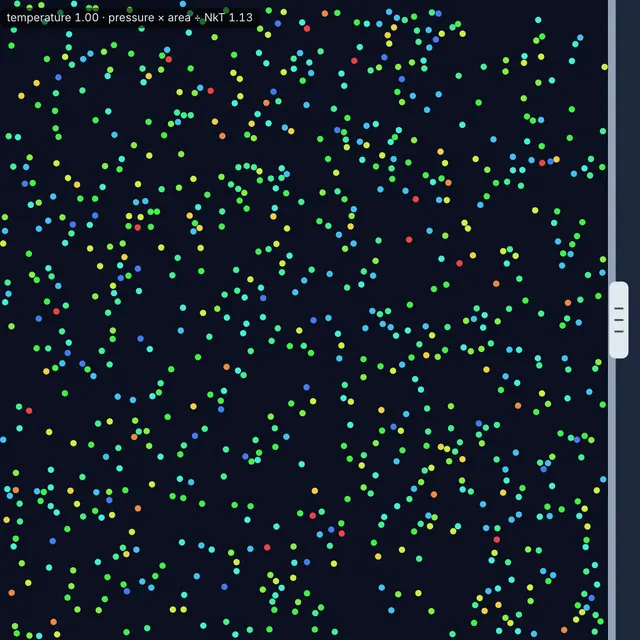
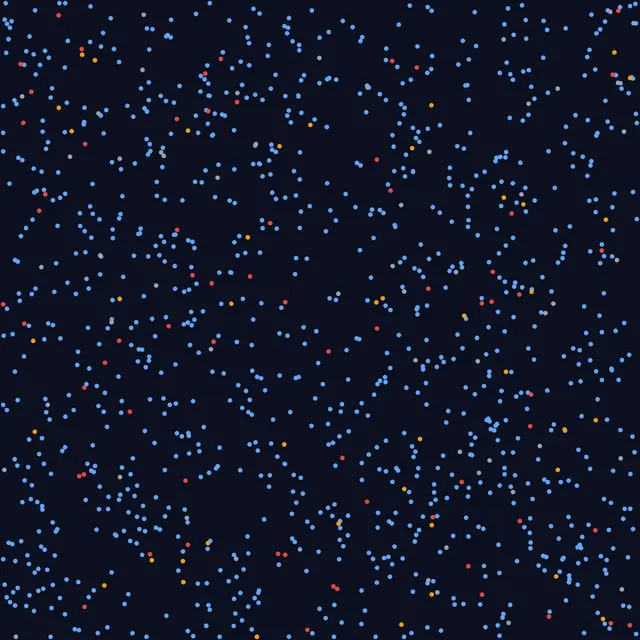
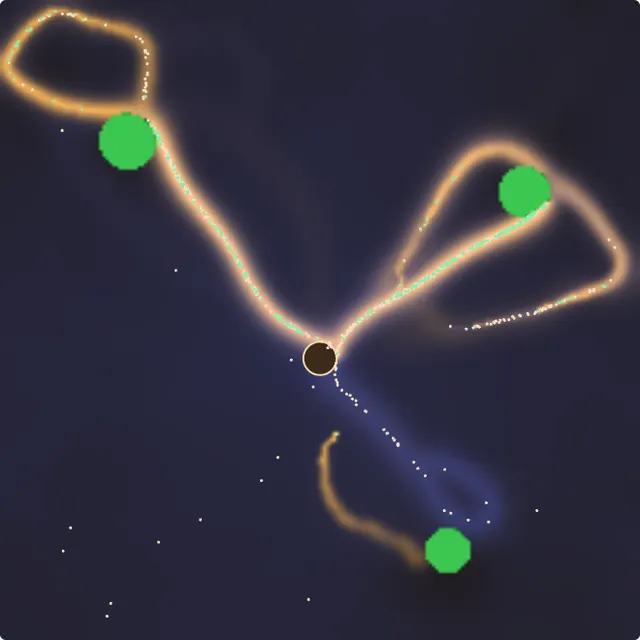
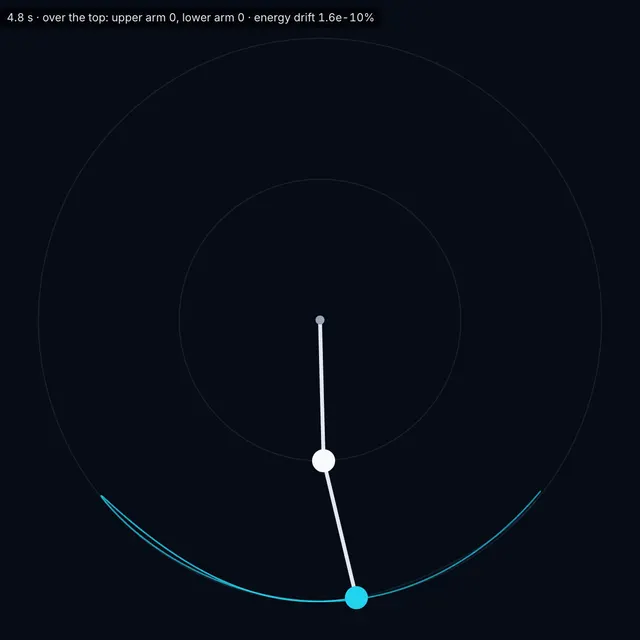
Each simulation runs a published model, named and cited on its page, so watching it shows the model at work: gliders in Conway's Game of Life, the binomial distribution in Galton Board, pressure from colliding molecules in Ideal Gas & Entropy, an epidemic curve in Epidemic Spread, trails that settle on the shorter path in Ant Colony and chaos in Double Pendulum Chaos. The page for teachers groups every tool by school subject.
Prints and files
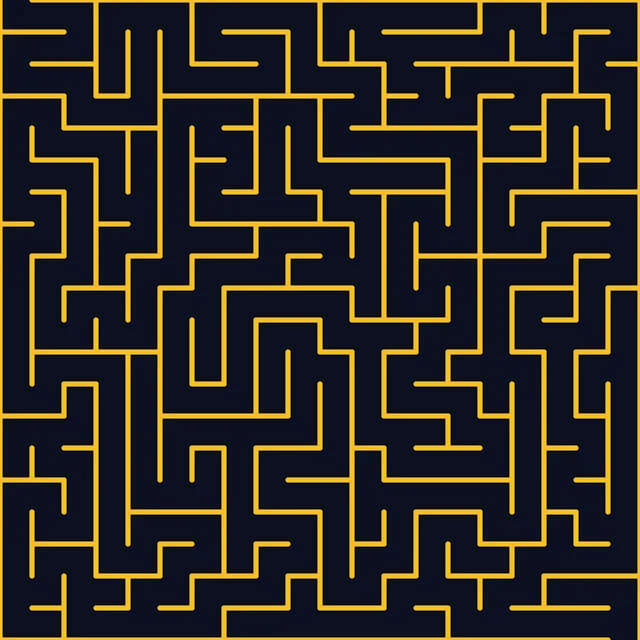
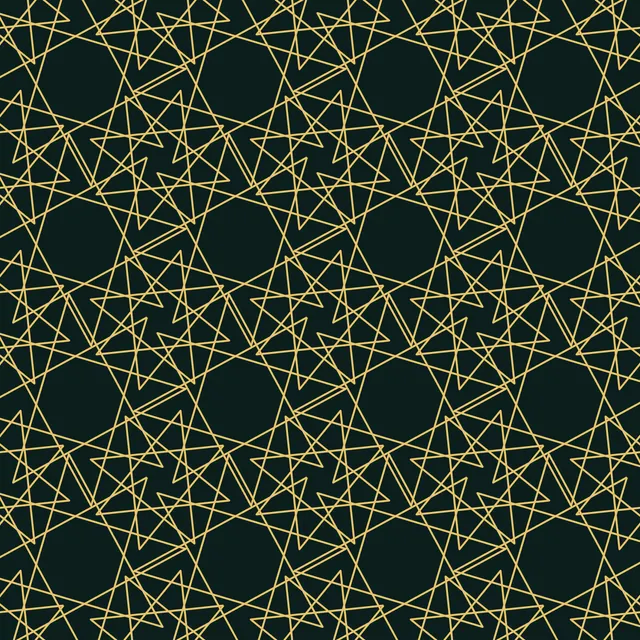
Every tool exports a PNG, and the vector tools export SVG at any size. Mandala Coloring Page prints coloring pages on US Letter or A4, Maze Art prints mazes with answer keys, Snowflake Maker prints fold-and-cut templates, and Islamic Geometric Pattern and Tessellation Studio export patterns for cutting, engraving or fabric.

Settings for a slow, dark screen
- Press Full screen under the canvas to hide the rest of the page; Esc returns to it.
- Pick a dark theme from the theme menu in the header, and lower the screen brightness.
- Lower Speed, Drop rate or Steps per frame in a tool's settings to slow a simulation down.
- No tool plays sound unless you turn it on.
Frequently asked questions
Can watching a simulation help me fall asleep?
There is no good evidence that it does, and sleep guidance advises against screens when you can't sleep: the American Academy of Sleep Medicine recommends leaving bed after about 20 minutes awake and doing a quiet activity in low light without electronics. If you use a screen anyway, a slow simulation on a dark, dim screen is a low-stimulation choice.
Which tools are the slowest?
Flocking (Boids), Reaction-Diffusion, Lenia, Slime Mold, Pendulum Swing and Fourier Epicycles change gradually and run on dark backgrounds. Lowering Speed slows any simulation further.
Do the tools make sound?
No tool plays sound unless you turn it on. The few with sound, such as Colliding Blocks & Pi and Radioactive Decay, start silent.
Does coloring reduce stress?
Small studies suggest structured coloring can lower anxiety for a short time. Curry and Kasser (2005) found a larger drop in anxiety after 20 minutes of coloring a mandala or a plaid pattern than after coloring on blank paper. Coloring is not a treatment for an anxiety disorder.
Are the tools free for these uses?
Yes. Every tool is free, with no account or download, and runs in the browser.
References
- American Academy of Sleep Medicine (2021). Healthy sleep habits. Sleep Education.
- NHS (2024). Insomnia. nhs.uk.
- Qaseem, A., Kansagara, D., Forciea, M. A., Cooke, M., & Denberg, T. D. (2016). Management of chronic insomnia disorder in adults: A clinical practice guideline from the American College of Physicians. Annals of Internal Medicine 165(2), 125–133.
- Curry, N. A., & Kasser, T. (2005). Can coloring mandalas reduce anxiety?. Art Therapy 22(2), 81–85.