
Physics and nature simulations
These simulations run textbook models of the physical and living world in the browser. Each one follows a published model, so what you see is the behavior of that system, simplified to run in real time or faster.
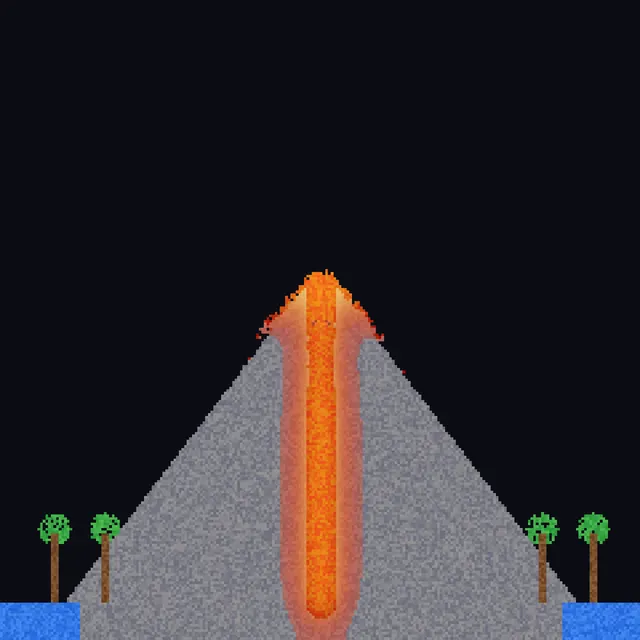
Ink & Smoke Fluid solves Jos Stam's stable-fluids equations on your graphics card, Gravity Sandbox integrates Newtonian orbits, Cloth & Rope links particles with springs you can tear, and Falling Sand mixes dozens of elements that burn, melt and grow. Crystal & Lightning Growth uses diffusion-limited aggregation, Sandpile Avalanches the Bak–Tang–Wiesenfeld model of self-organized criticality, and Oscillating Reaction a chemical clock. Living systems are here too: Forest Fire & Regrowth runs the Drossel–Schwabl model, in which trees regrow, lightning strikes and fires of every size burn, and Tree Growth grows branches toward the light by space colonization. Animals have a category of their own, Animal Behavior, and so do crowds, traffic and epidemics, People & Traffic.
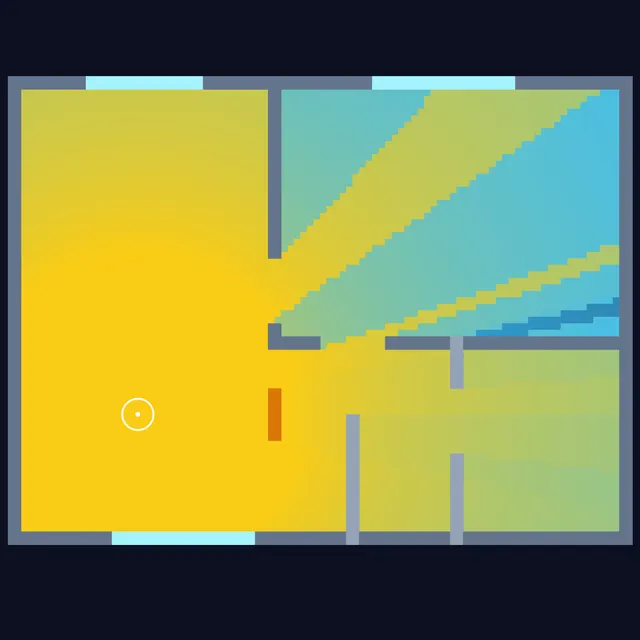
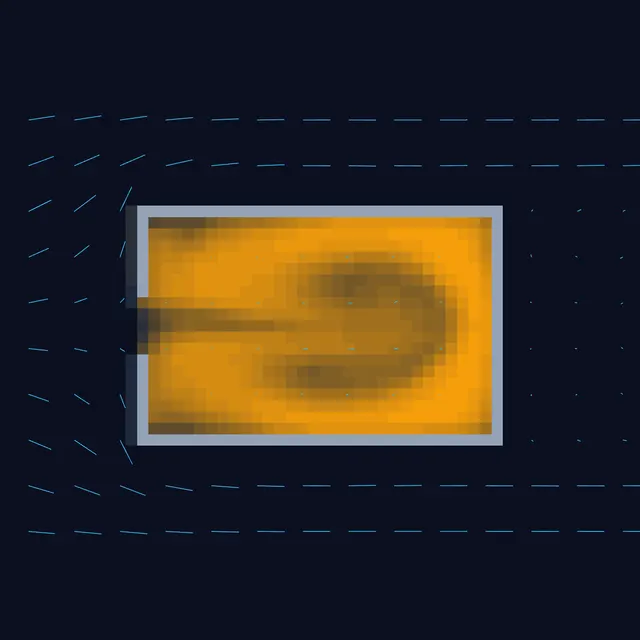
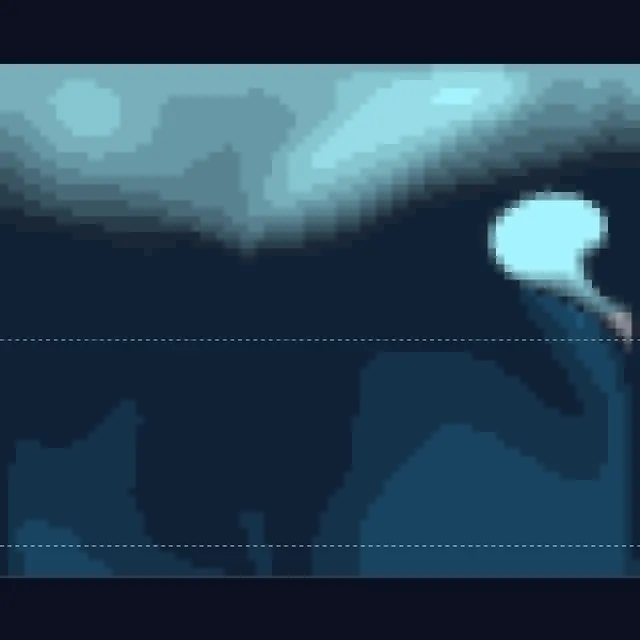
Four tools follow air, water and radio waves. Wi-Fi Signal Map maps a router's signal through a floor plan's walls with the free-space loss of Harald Friis (1946) and the wall losses of ITU-R P.2040. Room Airflow & Smoke blows wind through windows and a door with Stam's stable fluids and times how long smoke takes to clear. Cloud Formation warms the ground until thermals rise and condense into cumulus, a stratus deck, a cap cloud over a hill or a storm that rains. River Flood floods a valley with the shallow-water equations, times when the water reaches each house, and checks a dam break against August Ritter's exact solution of 1892.
Change a setting while a simulation runs to see cause and effect, read the live charts, and record a video or GIF in most of them.
13 Physics & Nature tools
Wi-Fi Signal Map
Color a floor plan by Wi-Fi signal strength and see what walls, distance and router placement change.
Room Airflow & Smoke
Blow wind past a one-room house and see how fast one window, two windows, a door or a fan clear the smoke.
Cloud Formation
Watch clouds form in a slice of sky as warm air rises, cools and condenses, and see what makes cumulus, stratus or a storm.

River Flood
Flood a river valley and time when the water reaches each house, with levees, trenches, a bypass channel or a dam break.
Falling Sand
A powder-game sandbox with temperature, electricity, explosions, growing trees and digging ants.
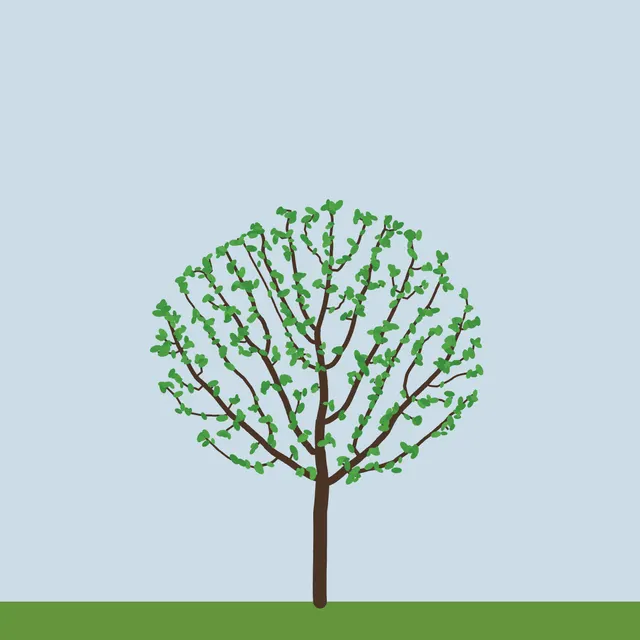
Tree Growth
Grow trees with the space colonization algorithm — prune, plant, seasons and wind.
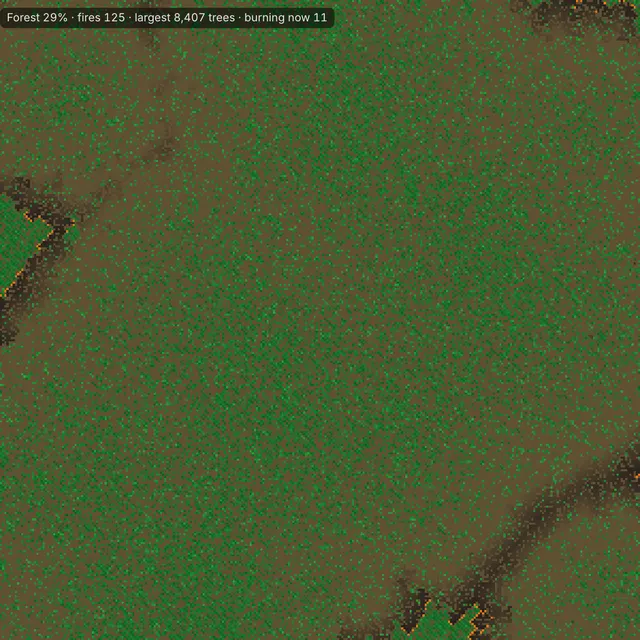
Forest Fire & Regrowth
The Drossel-Schwabl forest-fire model: trees regrow, lightning strikes, fires follow a power law.
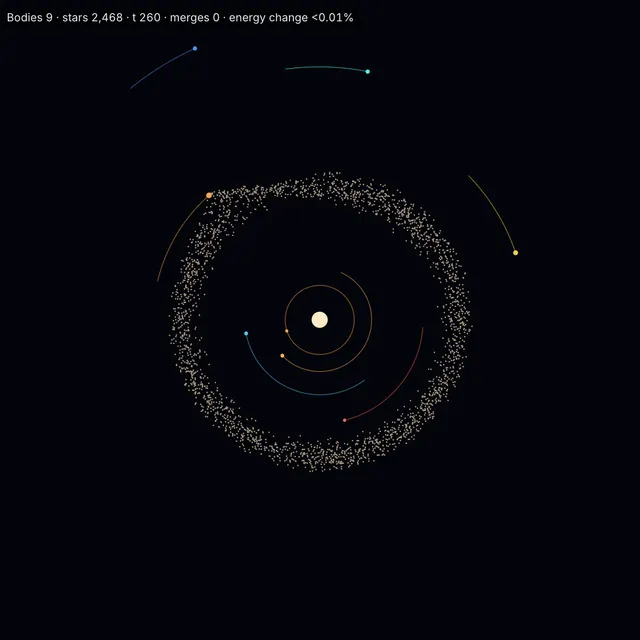
Gravity Sandbox
An N-body gravity simulator with planets, colliding galaxies and the figure-eight three-body orbit.
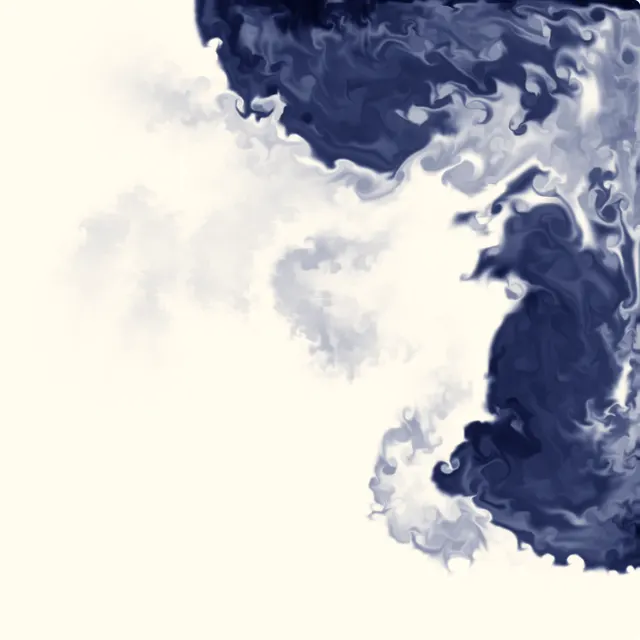
Ink & Smoke Fluid
A real-time GPU fluid: drag to swirl ink on paper, rising smoke or rainbow dye.
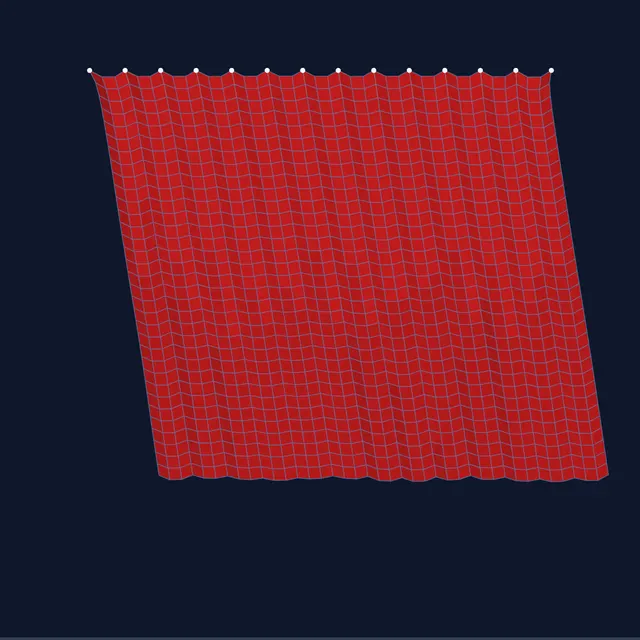
Cloth & Rope
Verlet cloth physics: drag, pin, cut and tear curtains, flags, nets and rope bridges.
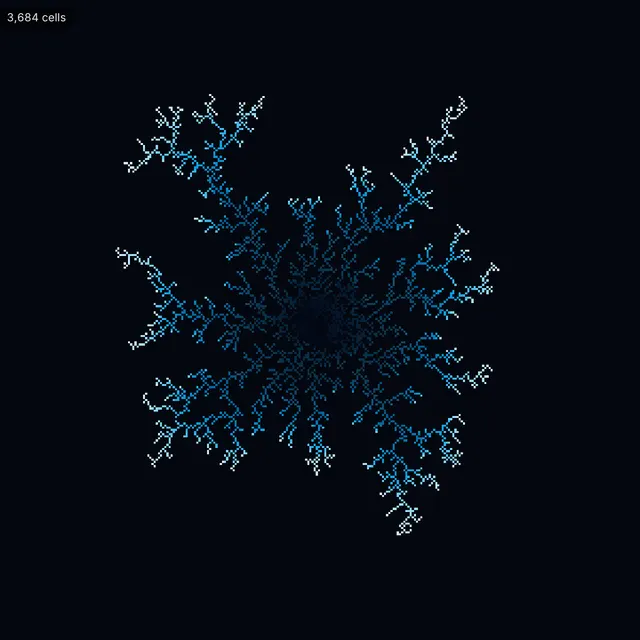
Crystal & Lightning Growth
Grow frost, coral and dendrites by diffusion-limited aggregation — or branching lightning bolts.
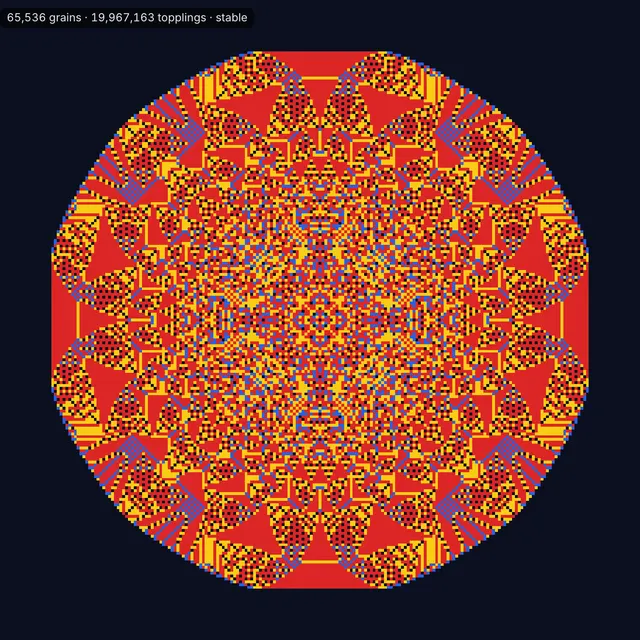
Sandpile Avalanches
The Abelian sandpile: topple 2ⁿ grains into a symmetric fractal, or count avalanches of every size.
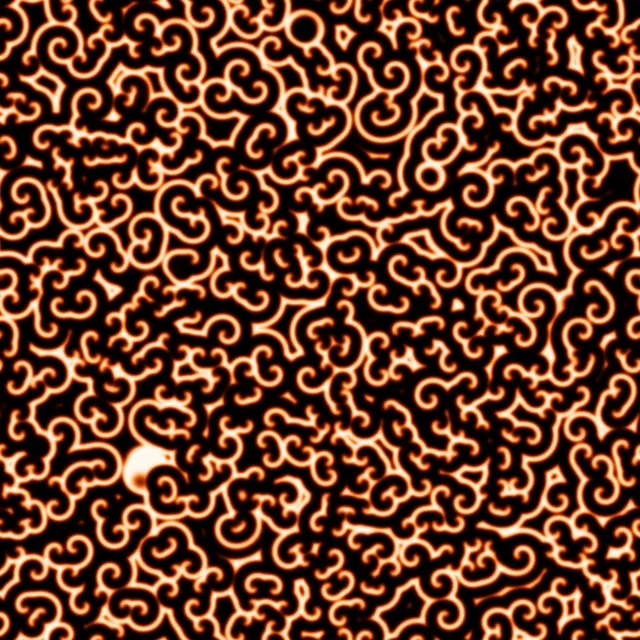
Oscillating Reaction
The Belousov-Zhabotinsky reaction on your GPU — chemical waves curl into rotating spirals.
Frequently asked questions
Are these simulations scientifically accurate?
They implement the published models they're named after, with the same rules and equations, simplified to run in real time in a browser. They're good for building intuition and for teaching, but they aren't calibrated for engineering or medical decisions.
Do they work on phones?
Yes. The simulations run in mobile browsers, and you can touch the canvas wherever a tool takes input, such as painting sand or stirring fluid. Very large grids run fastest on a desktop.
What is self-organized criticality?
A state some systems drift into on their own, where events of every size happen and their sizes follow a power law. The sandpile and forest-fire simulations are classic examples.