
Mathematical curve generators
Many curves in mathematics are traced by motion: a wheel rolling inside another, a pendulum swinging in two directions, a point carried around a chain of spinning circles. These tools let you set up the motion and watch the curve draw itself.
Spirograph traces hypotrochoids and epitrochoids, the curves of the classic toy. Harmonograph and Pendulum Swing simulate decaying pendulums whose combined swings draw looping figures. Rose & Polar Curves plots the polar roses r = cos(kθ), Guilloche builds the fine engraved patterns used on banknotes and watch dials, and Fourier Epicycles rebuilds any shape — including one you draw yourself — from rotating circles. String Art Generator wraps virtual thread between nails to make cardioids, nephroids and even photo portraits.
Behind each curve is a short formula: a few sines and cosines whose frequencies and phases decide whether the curve closes into a neat rosette or winds on forever. The curves animate as they draw, and most export SVG, so a curve can go straight to a pen plotter, a laser cutter or the printer.
7 Curves & Motion tools
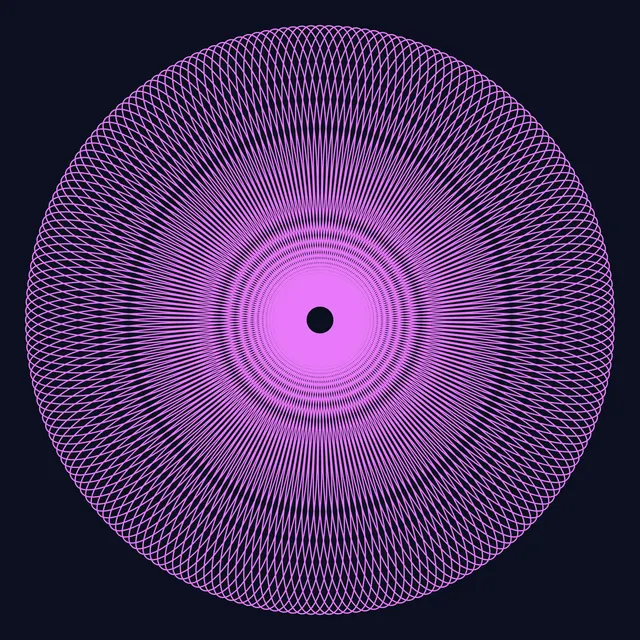
Spirograph
Hypotrochoid and epitrochoid curves like the classic gear-and-pen toy.
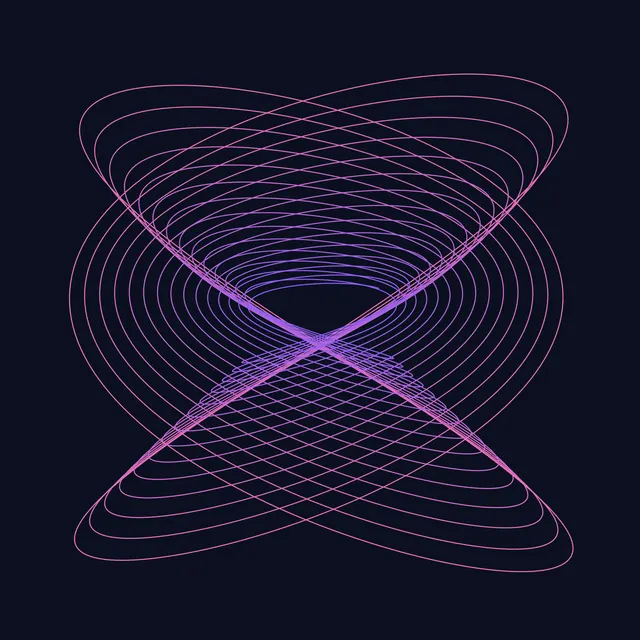
Harmonograph
Damped-pendulum Lissajous curves that spiral into delicate meshes.
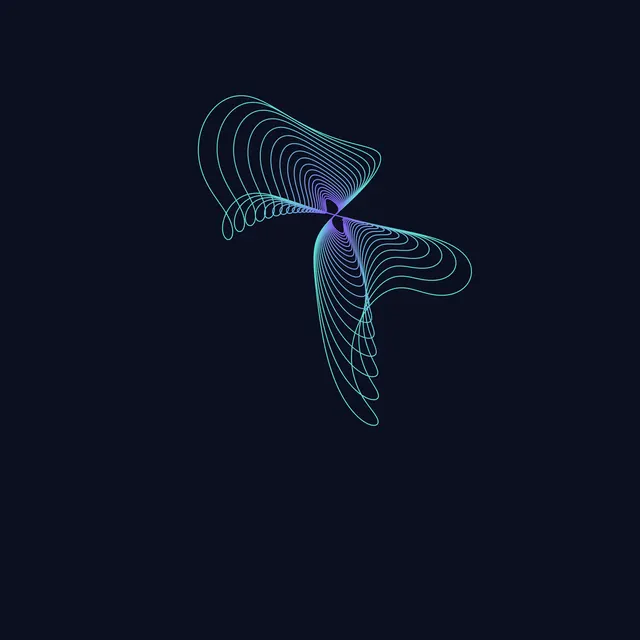
Pendulum Swing
An animated multi-jointed pendulum that draws harmonograph-style curves in real time.
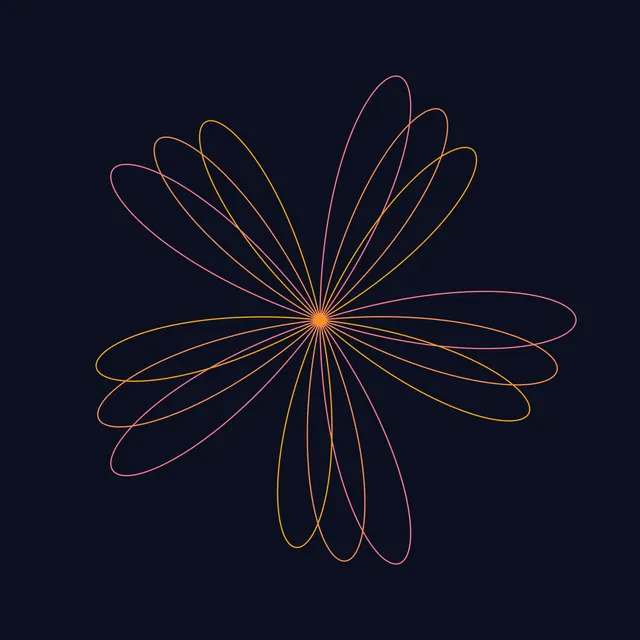
Rose & Polar Curves
Rhodonea rose curves and layered polar-equation art.
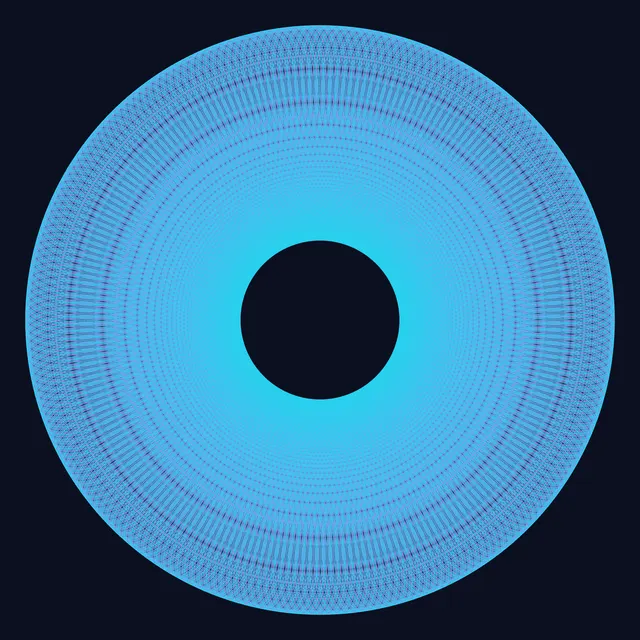
Guilloche
Layered spirograph rosettes like the engraving on banknotes.
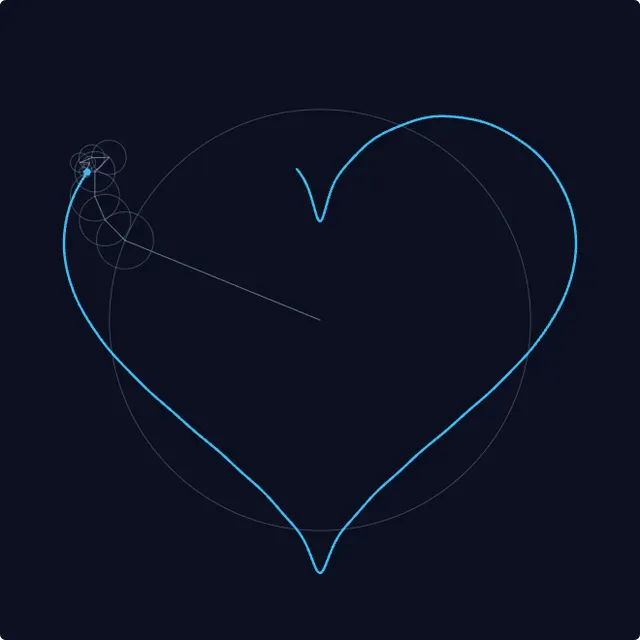
Fourier Epicycles
Draw any shape and watch a chain of spinning circles redraw it with a Fourier series.
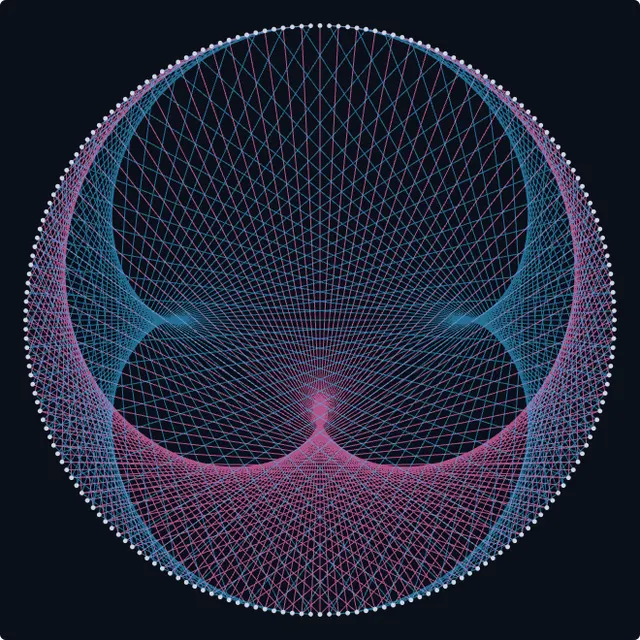
String Art Generator
Times-table and star string art, plus photo-to-thread portraits with a printable nail sequence.
Frequently asked questions
How does a Spirograph curve work?
A circle rolls around the inside (a hypotrochoid) or the outside (an epitrochoid) of a fixed circle, and a pen at a fixed distance from the rolling circle's center traces the curve. The ratio of the two radii decides how many loops appear before the curve closes.
What is a Fourier drawing?
Any closed path can be written as a sum of circles spinning at whole-number speeds. Chaining those circles tip to tail traces the original shape, and more circles give a closer match.
Can I plot these curves with a pen plotter?
Yes. Export an SVG from the curve tools; the paths are clean vector lines that plotting software can import directly.